
When you walk into a commercial space, you typically do not notice the electrical system unless it fails. A flickering light in a warehouse, a server rack that unexpectedly loses power, or a security system that goes offline can halt daily operations immediately. For property managers and business owners in this region, maintaining a stable electrical environment is often a behind-the-scenes necessity that dictates how smoothly a facility functions.
Why Electrical Complexity Often Leads to Operational Downtime
Commercial facilities face challenges that differ from residential environments. A commercial electrician services in Bend, OR often encounters systems that must handle higher voltage requirements, more complex circuit layouts, and the heavy loads demanded by industrial equipment or large-scale HVAC units. When a building’s electrical design does not scale alongside the business, the system becomes vulnerable to faults.
One common issue arises when electrical panels are pushed to their capacity. As businesses add new equipment, lighting systems, or charging infrastructure, they may inadvertently create bottlenecks. This can lead to frequent circuit breaker trips, which are often dismissed as simple annoyances. However, persistent tripping typically indicates that the infrastructure is struggling to manage the current load. When the underlying issue is not addressed, the heat generated by these electrical stresses can degrade components, potentially leading to more extensive equipment failure over time.
How Commercial Electrical Systems Generally Function
The electrical architecture of a commercial building typically relies on a centralized distribution panel that feeds power to various zones. Each zone includes specific circuitry designed for the equipment it supports. Professionals often categorize these systems into lighting, general power, and dedicated circuits for specialized machinery.
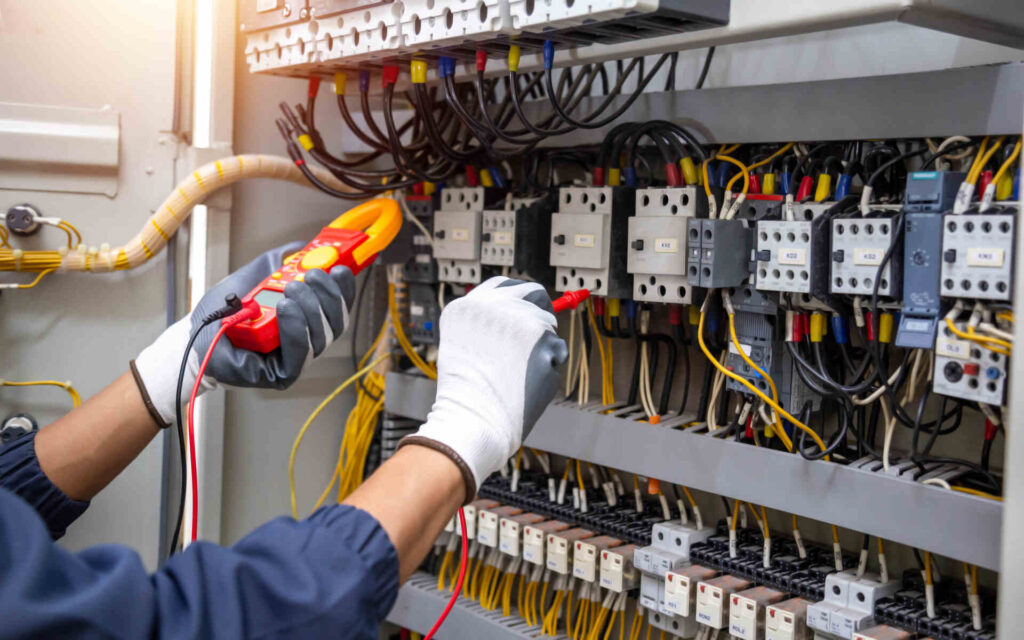
A properly configured system is designed to provide consistent voltage and amperage to every outlet and light fixture. When a commercial electrician in Bend, OR evaluates a site, they typically look at the entire chain: the incoming service line, the main distribution boards, the sub-panels, and the condition of the wiring throughout the facility. They also consider the grounding and bonding systems, which are essential for both system stability and safety. If any link in this chain shows signs of wear or improper installation, the entire facility’s performance may fluctuate, affecting everything from sensitive electronics to high-output industrial motors.
Key Factors That Shape Electrical Efficiency and Longevity
Several factors influence how well a facility’s electrical system performs. The age of the building is often a primary consideration. Older structures may still house wiring that was sufficient for previous needs but lacks the capacity for modern demands. Additionally, environmental factors in the high-desert climate—such as significant temperature fluctuations—can affect how wiring and outdoor components expand and contract, potentially leading to loose connections if the materials were not chosen with these conditions in mind.
Equipment maintenance also plays a role in system longevity. Electrical components naturally degrade, and connections can loosen due to vibrations from heavy machinery. Proactive inspections allow providers to identify these points of failure before they cause a shutdown. Furthermore, the way a building is utilized matters; a facility that operates continuously will naturally place more strain on its electrical components than one that powers down at the end of every day. Understanding these usage patterns helps in determining the right schedule for maintenance and upgrades.
Practical Approaches for Maintaining Electrical Stability
Approaching electrical maintenance with a long-term strategy can help prevent the common pitfalls associated with reactive repairs. Businesses that thrive often view their electrical setup as a core asset rather than an overhead cost.
- Schedule periodic assessments: Rather than waiting for a failure, invite a professional to review the distribution panels and high-usage circuits. This can help identify components that are nearing the end of their service life.
- Prioritize documentation: Ensure that you have updated schematics and labels for all panels. When an emergency does occur, having a clear map of the system helps professionals diagnose the issue significantly faster.
- Consider load balancing: As your business evolves and you add new technology or equipment, discuss load distribution with a professional. They can advise on whether your current service can support additional equipment or if an upgrade to the electrical service panel is the safer choice.
- Focus on preventative measures: Simple steps like securing loose connections or replacing aging breakers during scheduled downtime can prevent major disruptions during peak operating hours.
For property managers, the goal is to create a predictable environment where electrical infrastructure supports business activities without becoming a variable to worry about. If your facility is showing signs of instability, such as humming panels, frequent breaker resets, or inconsistent power delivery, the most sensible next step is to consult with a qualified provider who has specific experience with the unique demands of commercial electrical work. Discussing your facility’s usage history and any known weaknesses with them will allow you to develop a maintenance plan tailored to your business needs, helping to ensure that your electrical systems remain as reliable as the work you do.