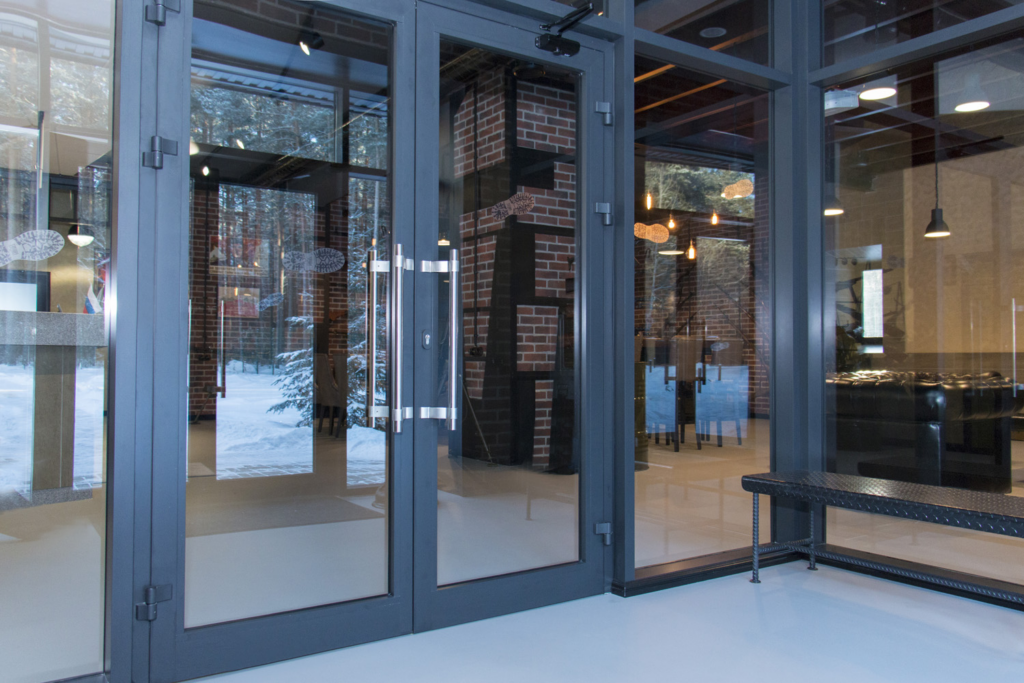

Being an artist or creative in an urban environment isn’t all murals and inspiration. You work with tight budgets, and in shared spaces, public exposure, unpredictable foot traffic, and a lot of risk. Studios double as storefronts, installations live in public view, and windows are canvases. And while cities offer energy and opportunity, they also bring vandalism, accidental damage, and constant wear. In such environments, riot glass is a must-have for artists and urban creatives who want their work and spaces to survive real-world conditions without losing their edge.
Here’s the thing: creativity thrives on openness, visibility, and connection. But those same qualities can leave your work vulnerable. Riot glass lets you stay visible without being exposed, and this is vital. In this article, you’ll learn why this glass is vital if you’re creating in the city.
Protects Creative Work Without Killing the Vibe
Artists care deeply about atmosphere. Light matters. Transparency matters. The way people interact with a space matters. Traditional security solutions such as metal bars, shutters, and heavy framing tend to crush that energy fast. They turn creative spaces into fortresses, and no one wants that.
Riot glass offers protection without visual punishment. It looks like regular glass, but it’s engineered to withstand serious impact. That means gallery windows, studio fronts, display cases, and even performance spaces can stay open and inviting without being fragile.
This freedom can change how you design. You can build installations that interact with the street. You can let your space breathe. You don’t have to compromise your creative intent just to feel safe. When protection disappears into the design, the art gets to speak louder.
Urban Creativity Lives in High-Risk Environments
Cities are unpredictable. Crowds gather. Protests happen. Nights get rowdy. Accidents occur. Sometimes damage is intentional, sometimes it’s just chaos doing what chaos does. Either way, fragile materials don’t last long.
Riot glass is built for environments where impact is expected. Whether it’s thrown objects, accidental collisions, or pressure from crowds, it’s designed to resist shattering and hold together even under stress.
That matters when your livelihood is tied to physical space. A broken window isn’t just a repair: it’s lost time, income, and momentum. Stronger materials mean fewer interruptions, fewer emergency fixes, and fewer moments where damage derails your creative flow. When you’re handling projects, deadlines, and exposure, stability is priceless.
Supports Public-Facing Art and Community Interaction
Urban creatives don’t hide their work. You put it in windows. On streets. In shared spaces. You want people to encounter it naturally, without barriers or intimidation. Openness is part of the culture.
But public-facing art comes with real risks. Touching, leaning, crowd pressure, weather, and the occasional bad actor all take their toll. Riot glass allows your work to remain accessible while still being protected. It also keeps the relationship between artist and audience intact. People can get close. They can engage. They can feel invited rather than blocked off.
The Bottom Line
Urban creativity is raw, public, and exposed by nature. That’s part of its power. But exposure shouldn’t mean vulnerability. Riot glass gives artists and creatives a way to protect their work without muting it, to stay visible without being fragile, and to build spaces that last in environments that don’t slow down. It doesn’t ask you to compromise your aesthetic. It doesn’t turn your studio into a bunker. It simply reinforces what you’ve already built, quietly and effectively.